
Knowing God
The Bible Teaching Commentary
Deuteronomy 5:1-33
Paul J. Bucknell
Introduction | Call (5:1-5) | Standard (5:6-21) | Relationship (5:22-33)
Purpose: This Deuteronomy 5 introduction shows how God’s patient covenant call reveals His mercy, goodness, and desire for His people to know Him.

Introduction
Many people think of the Ten Commandments as a list of restrictions, but Deuteronomy 5 places them inside a relationship. God first identifies Himself as the One who redeemed His people from slavery, then gives commands that protect life with Him and with others.
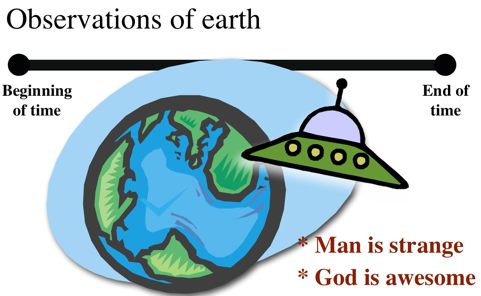 If we were outsiders observing Earth and examining the human race from the beginning of time to the end, I believe two observations would stand out among many. The first is how humans constantly rebelled against the One who created and blessed them, not just immediately after God made man and woman, but repeatedly throughout history. God sent messengers like Jesus to help mankind, but they were often mistreated or killed. They definitely didn’t want the Lord's help. The second, most intriguing observation, would be God’s extreme patience with these tiny and difficult people. We might hope that He would help them a little more.
But no, He was patient with them for 6,000 years. Many times and in many ways, He tried to call man back to Himself.
So we need to ask ourselves why these things are happening. If someone fed you nice things or gave you gifts, would you despise him or reject his favor? On the other hand, why is God being so patient with mankind? These are questions that should constantly shape our thoughts and life decisions. Let me get to the point. If we are to rightly respond to God, who has been so good to us, why am I so stubborn about doing what is right? Why do I allow myself to be so easily deceived into thinking that God has some mean motive? Can't I simply move forward and trust in a loving God?
 Deuteronomy encourages us to look back while also moving forward. This is where we see God’s mercy and grace clearly evident throughout Deuteronomy. Each section affirms God’s good intentions. It is undeniable. Deuteronomy is divided into four sections. We have examined the first section, A. Reconnecting with God’s Purpose (Deuteronomy 1-4). A new generation grew up before Moses, but God’s purpose remained unchanged.
Through a detailed recounting of events, both good and bad, Moses reconnects that generation with God’s unchanging covenant. Through Christ's sacrifice on the cross and the establishment of the New Covenant, we understand that each generation has its chance to grasp and participate in God's greater purposes. Today, we begin a new section: Reflecting on God’s Person (Deuteronomy 5-11). The way we respond to God’s commands reflects how we respond to God Himself. Through numerous warnings and exhortations, Moses urges God’s people to devote themselves to the God who has revealed Himself to them in His Word.
Application
 God asks each generation the same question: “Do you love me more than all of these?” Can you tell Him that you love Him more than everything else? Despite man’s hesitation to follow the Lord quickly, He has been incredibly patient in calling us to Himself. This is seen again in Deuteronomy chapter 5, where we are reminded of His call, the gracious revelation of His covenant, and the special relationship we share with Him. Truly, we can call this the greatest love story in the world. We will be asking, “How do I respond to such a friend?”