
 BFF is now on Facebook! Please visit and join us in releasing God's powerful Word to our generation!
God's peace can help us live above anxieties as we learn to trust in Him!
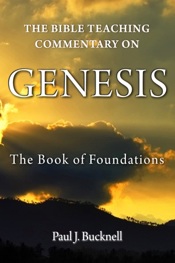
The Bible Teaching Commentary on Genesis: The Book of Foundations
Commentaries that specialize on training the teacher!
 |
Gospel of John, an Overview |
Christ: The Heart of Christianity
|
John 2:1-11
Basic & Study Questions
From Water Into Wine
The Bible Teaching Commentary
Paul J. Bucknell
_________________________
Gospel of John: Purpose | Power | Penetration | Plan
Introduction and Survey of Gospel of John: Teaching video | Audio
John 2:1-11 | John 2:1-11 Questions | John 2:12-25 | John 2:12-25 Questions
 |
 |
Bible Study Questions
Purpose
John 2:1-11 basic and advanced study questions help understand the miracle or sign of Jesus turning water into wine. New life is presented as a special alternative to the old life of religion. (Click here for study).
Questions for Understanding! (Basic)
John 2:1-111 And on the third day there was a wedding in Cana of Galilee, and the mother of Jesus was there; 2 and Jesus also was invited, and His disciples, to the wedding. 3 And when the wine gave out, the mother of Jesus said to Him, “They have no wine.” 4 And Jesus said to her, “Woman, what do I have to do with you? My hour has not yet come.” 5 His mother said to the servants, “Whatever He says to you, do it.” 6 Now there were six stone waterpots set there for the Jewish custom of purification, containing twenty or thirty gallons each. 7 Jesus said to them, “Fill the waterpots with water.” And they filled them up to the brim. 8 And He said to them, “Draw some out now, and take it to the headwaiter.” And they took it to him. 9 And when the headwaiter tasted the water which had become wine, and did not know where it came from (but the servants who had drawn the water knew), the headwaiter called the bridegroom, 10 and said to him, “Every man serves the good wine first, and when men have drunk freely, then that which is poorer; you have kept the good wine until now.” 11 This beginning of His signs Jesus did in Cana of Galilee, and manifested His glory, and His disciples believed in Him. |
1) Where did this wedding take place? (John 2:1)
2) What did Jesus' mother ask of Him? (John 2:3)
3) How did Jesus answer? (John 2:4)
4) How did Jesus' mother respond to Jesus' seeming reluctance to help out? (John 2:5)
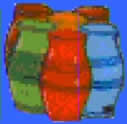
5) How many religious ceremonial water pots were there? (John 2:6) If each pot held 30 gallons, how much water did they hold altogether?
6) Read the actual miracle Jesus did in John 2:7-10. How did Jesus do this miracle?
7) After Jesus did the miracle, what did Jesus do? (John 2:8)
8) Why did the headwaiter call the bridegroom? (John 2:9-10)
9) What did the headwaiter actually say to the bridegroom? (John 2:10)
10) How do we know that this was Jesus' first miracle? (John 2:11)
11) Why do you think he did this? (John 2:11)
12) John does use the word 'miracle' in this gospel. What word is used in its place? (John 2:11) Note: some versions might add the word 'miraculous' to this word but it is not really there.
13) How did His disciples respond to what Jesus did? (John 2:11)
Questions for Impact! (Advanced)
1) Jesus' mother told the servants, "Whatever He (Jesus) says to you, do it." (John 2:5) What does this show you of Jesus' relationship with His mother? Application: Do others that know you well trust you? What things have they asked you to do to show you of this trust?
2) Jesus said, "My hour has not yet come." (John 2:4). What does 'My hour' refer to? Do a word study of the word 'hour' through John or more simply study (John 17:1). Application: What does God want to do through your life? Write down or update the mission statement for your own life.
3) Does Jesus legitimize drinking or taking drugs by His having turned water into wine? Why or why not? What does the Bible say about getting drunk? (Eph 5:18, 1 Pe 4:1-5)
4) What is the difference between drinking for fun and drinking wine for beverage? (Note: without refrigeration and purification of water, wine was about the only safe beverage. It was greatly diluted, only 1 of 5 parts being wine).
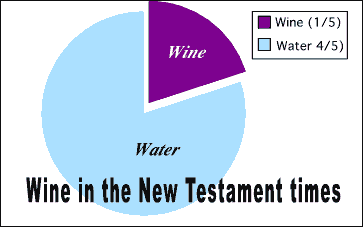
5) Is it wrong to tell people they shouldn't drink? What should parents tell their children about drinking and drugs?
6) What is the difference between water and wine?
7) What enabled Jesus to be able to change the material substance of water?
8) Below are some arguments from people who deny the miracle ever happened. Answer from the passage below. (see answers)
| Five arguments are made against this miracle. | From the text show that the claim is not true |
| #1 Jesus mixed some wine with the water in the pots to make it seem like he turned water into wine. | |
| #2 Jesus' disciples snuck wine in with the water. |
|
| #3 The wine wasn't real. |
|
| #4 Jesus slipped a glass of wine to the banquet organizer to be tasted. | |
| #5 John just made the story up. |
 9) Memorize John 20:30-31 and reflect on John's purpose for writing the Gospel of John.
10) With John's purpose of the book in mind, what do you think is John's purpose of relating this miracle to us? Application: Do you find a greater appreciation of Jesus from this sign?
11) Application: If you have a friend who likes to party, what could you tell him or her about how much more special Jesus Christ is in your life than the momentary highs they might get from partying?
Other Gospel of John articles:
Introduction to Gospel of John: Purpose, Power (7 signs, miracles), Penetration (I Am), Plan (Outlines)
John 1:1-13 The Uniqueness of Jesus Christ Bible Study Questions
John 2:1-11 The Great Transformation: Biblical Perspective on Drinking and Drugs Bible Study Questions
John 2:12-25 Opening Up Our Lives: Intimacy with God Bible Study Questions
John 5:18-23 Affirming Christ's Deity
John 5:19-20 Christian Living by Understanding Christ's Mind Bible Study Questions
John 7:37-39 Rivers of Living Waters Bible Study Questions
John 8:32 Finding Life in God's Word
John 10:30 I and Father are One
John 12:20-36 The Investment of Your Life Bible Study Questions
John 14:6 Jesus is the Way, Truth and Life
John 15:1-17 Abiding in Him Bible Study Questions
John 15:15-16 Genuine Friendship
John 19:17-30 Bible Study Questions
If Christ doesn't impact our lives, then He is not known to our lives!
Check out the BFF Biblical Training Library has an incredible amount of training materials including easy to view and print pdfs, powerpoints, audio mp3 and even videos. We allow you to copy. modify and distribute material for teaching or personal edification. You don't need to ask!
Or see BFF's Resource Center for purchasing this low cost Library along with BFF's quality training material.
info@foundationsforfreedom.net
Scriptures typically quoted from the New American Standard Bible unless noted:
(C) Copyright The Lockman Foundation 1988